
UAE Client Visits Starlight Factory for Two-Day Inspection and Live Rice Milling Trial — September 2024
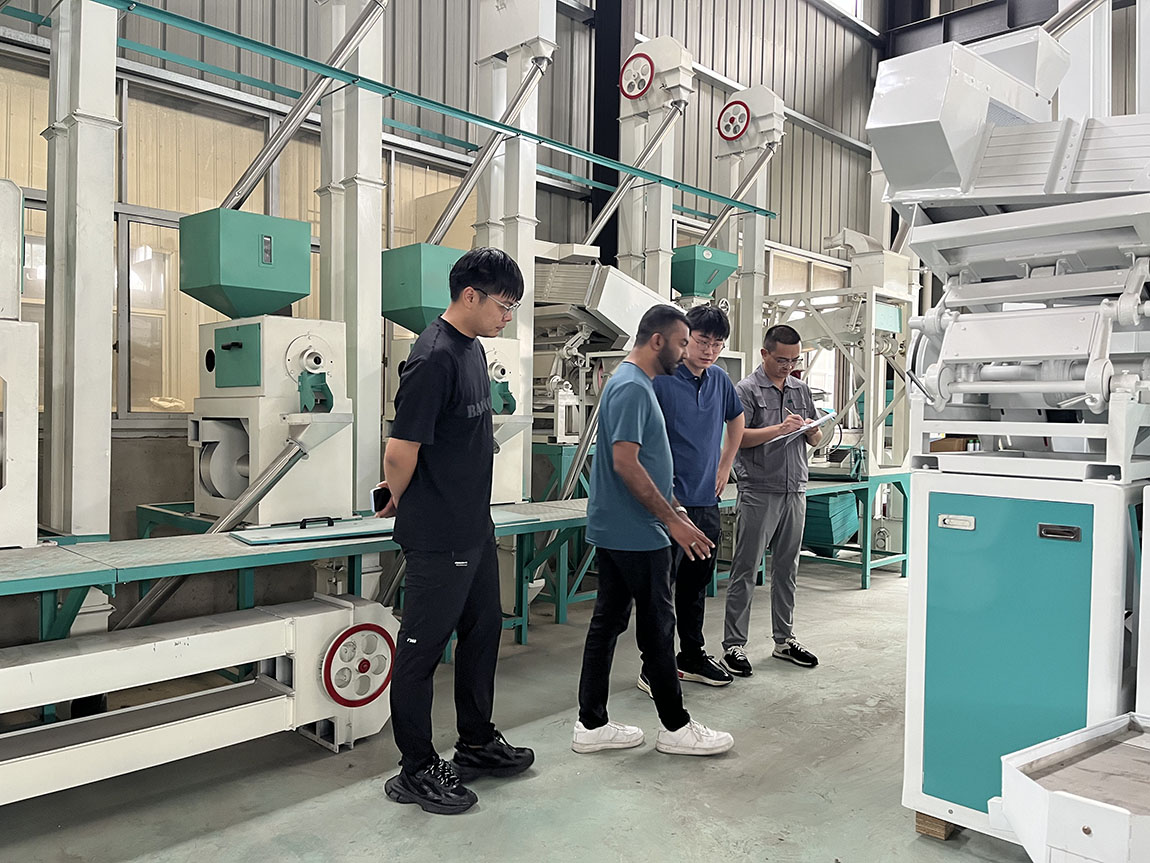
On September 20 and 21, 2024, a client from the United Arab Emirates visited the Starlight Machinery factory for a structured two-day inspection and hands-on trial of a rice milling production line. The visit covered a full facility audit, live Factory Acceptance Test with real paddy across multiple grain profiles, QA documentation review, and commissioning planning. This customer story documents what the visit involved and what buyers planning a similar pre-purchase evaluation should understand.
Introduction
A two-day factory visit is not a sales presentation. It is a technical evaluation — and the distinction matters. A buyer who commits two days to visiting a manufacturer's facility before placing an order is asking specific questions that a product catalogue cannot answer: Does this machine actually perform at the rated specification under real operating conditions? Is the manufacturing environment capable of producing machines consistently to that standard? Is the documentation complete enough to support commissioning and operation at the installation site?
On September 20 and 21, 2024, a client from the United Arab Emirates arrived at the Starlight Machinery factory with exactly those questions. The two-day agenda was structured around the client's specific production requirements — target throughput, grain profile mix, operating environment — rather than a standard factory tour. By the end of day two, the visit had produced a joint action list: finalized recipe presets for the client's primary grain type, a confirmed spare parts package, and an agreed commissioning window.
Customer Background
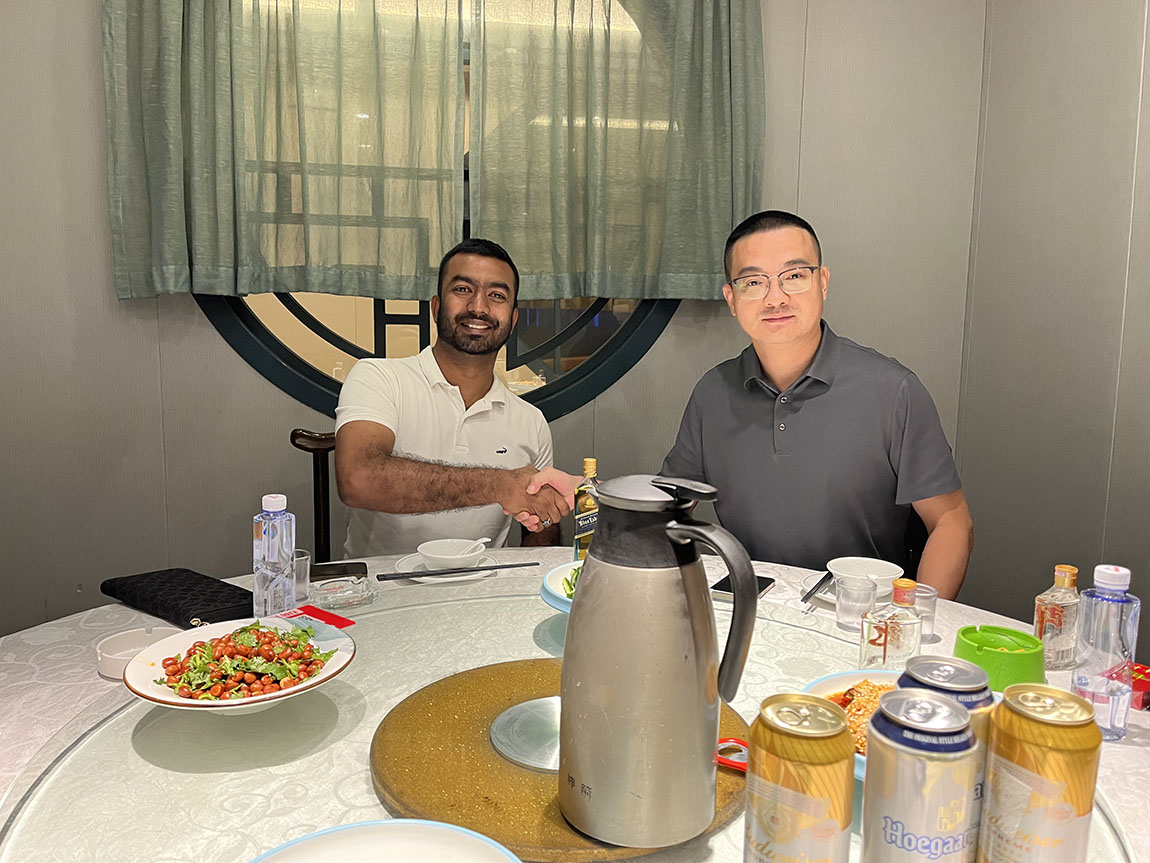
The client is a business operator based in the United Arab Emirates. The UAE is not a rice-producing country — it imports the majority of its rice consumption from producing countries across Asia — but it is a significant regional trade and logistics hub, and Emirati investors and importers are active in rice processing and food distribution businesses both within the Gulf Cooperation Council and in markets further afield.
[Note: Clarify whether this client is a UAE-based importer/distributor, an investor establishing rice processing capacity in another country, or a GCC-based operator — this will determine how to position the customer background section more precisely.]
What the visit structure makes clear is that this is a sophisticated buyer evaluating a significant equipment investment. A client who builds a two-day agenda around Factory Acceptance Testing, QA documentation review, and commissioning planning is not at the early stage of their research. They are at the verification stage — confirming a machine they have already assessed technically is performing as specified before committing to the purchase.
For buyers considering a similar pre-purchase factory evaluation, the Uzbekistan client factory visit is a comparable example of how a factory trial directly informs — and in that case, immediately triggered — a purchase decision.
Day Two: Live Factory Acceptance Test Across Multiple Grain Profiles
The centrepiece of the September 21 agenda was the Factory Acceptance Test — a live trial of the rice milling line under real operating conditions, with the client's team observing and evaluating the results.
The trial was run against the client's specific operating parameters: their target throughput in tonnes per hour, their primary grain type, and their key output quality targets. The client's team observed start-up procedures and safety interlock behaviour, then watched the line run through consecutive lots to verify repeatability — that the second run produces the same output as the first, and that the machine reaches and holds its performance targets under sustained operation rather than only in brief demonstration bursts.
Live performance data was captured across the metrics that matter commercially: milling recovery rate (the proportion of input paddy that becomes whole-grain head rice), broken rice percentage, whiteness and grain surface clarity, and energy consumption per tonne processed. These are not internal quality metrics — they are the figures that determine the price tier the finished rice can command and the operating cost per unit of production.
Because the client's operation involves multiple grain profiles, Starlight's engineering team demonstrated quick-changeover procedures between grain types: swapping screens, adjusting roll gaps, and loading pre-configured parameter sets for different varieties. For an operation that mills more than one rice type — shifting between Basmati-type long-grain and shorter-grain varieties, for example — the time and complexity involved in changeover directly affects operating efficiency. A changeover that takes four hours of downtime has a different operational economics profile than one that takes forty minutes.
The client used the trial session to ask detailed technical questions: wear characteristics and replacement intervals for different components under different grain profiles, how the airflow and polishing systems behave under high-humidity operating conditions, how cleaning system efficiency changes with higher-impurity paddy, and how the control system handles parameter drift during long operating runs. These are the questions that reflect real operating experience — a buyer who has run milling equipment before knows what breaks, what drifts, and what the operator needs to be able to do independently without waiting for the supplier.
For a technical overview of how each stage in a rice milling production line contributes to overall output performance, see the Rice Milling Production Line Engineering Guide and the Rice Milling Process: Complete Guide.
Commissioning and Service Planning
Beyond the trial itself, the day two agenda included a structured session on commissioning, operator training, and spare parts planning — the post-purchase elements that determine whether a machine that performed correctly at the factory also performs correctly once it reaches the installation site.
Commissioning planning covered the foundation and power supply requirements that must be in place before installation begins, the alignment and levelling procedure for the installed line, and the safe start-up sequence that brings the line into operation correctly. For a buyer installing equipment at a remote site, having a documented commissioning plan that the installation team can follow independently — rather than depending on the manufacturer's engineer to be physically present — is a practical operational requirement.
Operator training coverage addressed daily and weekly maintenance routines, sieve and roll calibration procedures, in-process quality checks the operator can run without laboratory equipment, and the early-warning signs that indicate a machine component needs attention before it affects output quality or causes a breakdown. For operations where experienced rice milling technicians are not always available, building this knowledge into the operator training program reduces dependency on external technical support for issues that are within the operator's capability to diagnose and address.
Spare parts planning produced a 12-month critical wear parts kit sized to the client's target run hours and grain profiles. For buyers whose installation sites are far from major logistics hubs, having that parts stock on-site from commissioning eliminates the risk of unplanned downtime during the operating season while waiting for parts to arrive from overseas.
Remote diagnostics capability was also reviewed — the ability for Starlight's engineering team to access machine performance data remotely to triage operational issues, reducing the need for on-site engineer visits for problems that can be diagnosed and resolved remotely.
What the Joint Action List Produced
By the end of day two, the visit concluded with a joint action list that converted the two days of technical discussion into specific next steps. Three items were agreed: finalizing recipe presets for the client's primary grain type based on the FAT data collected, confirming the recommended spare parts package against the client's target operating hours, and aligning on a commissioning window that matched the client's installation timeline.
A joint action list at the end of a factory visit is the signal that both parties have moved from evaluation to planning. It is the practical output of two days of technical work that demonstrates the visit achieved its purpose — not just as a relationship-building exercise, but as a process that produced documented, agreed next steps toward a confirmed project.
What Buyers Planning a Factory Visit Should Know
International buyers considering a pre-purchase factory visit and machine trial at Starlight Machinery can draw several practical conclusions from the structure of this UAE visit.
Build the agenda around your specific operating requirements, not a generic tour. The most useful factory visit is one structured around the questions you actually need answered before you can commit to a purchase — your grain types, your throughput targets, your installation environment constraints, your operator training requirements. A visit structured around your requirements produces answers directly relevant to your purchase decision. A generic tour produces an impression of the factory that may or may not transfer to your specific situation.
Run the trial on the grain type you will actually process. Performance data from a trial run on ideal-condition test grain tells you less than data from a trial run on the paddy type your operation will actually handle. If you can bring paddy samples to the trial, do so. If not, specify your grain type, moisture range, and typical impurity level in advance so the trial can be calibrated to conditions representative of your actual operation.
Use the service and commissioning session to evaluate post-purchase support, not just pre-purchase performance. The trial tells you whether the machine performs. The commissioning and service session tells you whether the supplier is capable of supporting the installation, training, and long-term operation after the sale. Both assessments are necessary for a complete supplier evaluation. For guidance on what to look for when evaluating a rice milling machinery supplier, see How to Choose the Right Industrial Rice Milling Machine Manufacturer.
Leave with a documented action list, not just a positive impression. A factory visit that ends with a positive feeling but no specific agreed next steps has not produced a commercial outcome. Insist on documenting the agreed follow-up items — configuration decisions, spare parts package, commissioning timeline — before the visit concludes. That documentation is the bridge between the visit and the actual project.
For a structured framework on assessing the investment economics of a rice milling production line before committing, see the Rice Mill ROI & Investment Return Guide and Rice Mill Plant Cost & Investment Guide.
Why Starlight Machinery
Starlight Machinery manufactures and exports rice milling and grain processing equipment to operators, investors, and distributors across the Middle East, Southeast Asia, Central Asia, Africa, and South America. Factory visits and live machine trials are available for buyers evaluating a significant equipment purchase — the visit is structured around the buyer's specific production requirements, grain profiles, and technical questions rather than a standard demonstration agenda.
For buyers in the UAE and wider Middle East region planning a rice milling investment — whether for processing in a GCC market or for establishing capacity in a rice-producing country — Starlight's engineering team can advise on machine selection, capacity configuration, and the commissioning and support structure that matches your installation environment.
Frequently Asked Questions
Can I visit the Starlight Machinery factory and run a live machine trial before placing an order?
Yes. Starlight Machinery actively structures factory visits around the buyer's specific technical requirements — the target grain type, throughput goals, operating environment, and output quality targets that the purchase decision depends on. The visit includes a full facility tour covering manufacturing processes and QA checkpoints, a live machine trial with documented performance data, documentation review, and commissioning and service planning. The UAE visit documented in this customer story is one example of how a two-day structured evaluation is organized. Contact Starlight Machinery to discuss your requirements and schedule a visit. For another example of a factory visit that resulted in a same-day confirmed order, see Uzbekistan Client Visits Starlight Factory, Runs a Live Trial, and Orders a 30 TPD Rice Milling Production Line the Same Day.
What does a Factory Acceptance Test at Starlight cover?
The FAT is a live trial of the rice milling line under the buyer's specific operating conditions. It covers throughput stability under continuous operation, milling recovery rate (head-rice yield), broken rice percentage, whiteness and grain surface clarity, energy consumption per tonne, and — for buyers processing multiple grain types — changeover procedures between grain profiles. Performance data is captured live and documented. The buyer's team observes start-up procedures, safety interlocks, and parameter tuning during the trial. All FAT results are documented and included in the export documentation pack that ships with the machine. For a technical overview of what each performance metric reflects in a commercial milling operation, see the Rice Milling Production Line Engineering Guide.
Why would a UAE-based buyer be evaluating rice milling equipment?
The UAE is a major import and re-export hub for the Middle East and Gulf region, and UAE-based investors and distributors are active in food processing businesses both within the GCC and in markets further afield. A UAE buyer evaluating rice milling equipment may be establishing processing capacity in a rice-producing country for supply into the Gulf market, distributing equipment across a regional dealer network, or investing in processing infrastructure as part of a broader agricultural or food security initiative. [Note: Update this answer with the specific customer profile once confirmed.]
What happens between a factory visit and the actual shipment?
Following a factory visit, the agreed action list drives the pre-shipment process: finalizing machine configuration and recipe presets for the buyer's grain types, confirming the spare parts package, and aligning on the manufacturing and dispatch timeline. Starlight's engineering team handles configuration documentation, factory assembly and testing, export packaging, and shipping logistics. For buyers who conducted a live FAT during their visit, the pre-dispatch inspection at the factory uses the same performance parameters documented during the trial as the reference baseline. For a full project narrative from factory visit through to shipment, see the Uzbekistan 30 TPD rice milling line shipment companion story.
What should I prepare before visiting the Starlight factory for an inspection and trial?
Come with your specific production requirements documented: your target grain type and variety, your throughput target in tonnes per day or per hour, your key output quality targets (head rice yield, broken rice percentage, whiteness specification), your power supply environment, and your installation site constraints. If you have paddy samples representative of your operating grain type, bring them for the trial. Prepare a list of the technical questions your purchase decision depends on — the visit agenda can be structured around those questions rather than a generic facility tour. For guidance on what capacity and configuration specifications to think through before the visit, see What Machines Are Needed in a Rice Mill Plant.
Schedule a Factory Visit or Discuss Your Rice Milling Project
If you are evaluating a rice milling production line investment and want to verify performance before committing, Starlight Machinery's engineering team can structure a factory visit and live machine trial around your specific technical requirements.
Request a Factory Visit Send Your Project Requirements View Custom Rice Milling Lines (30–200 TPD) View the 30-Unit Combination Rice Mill